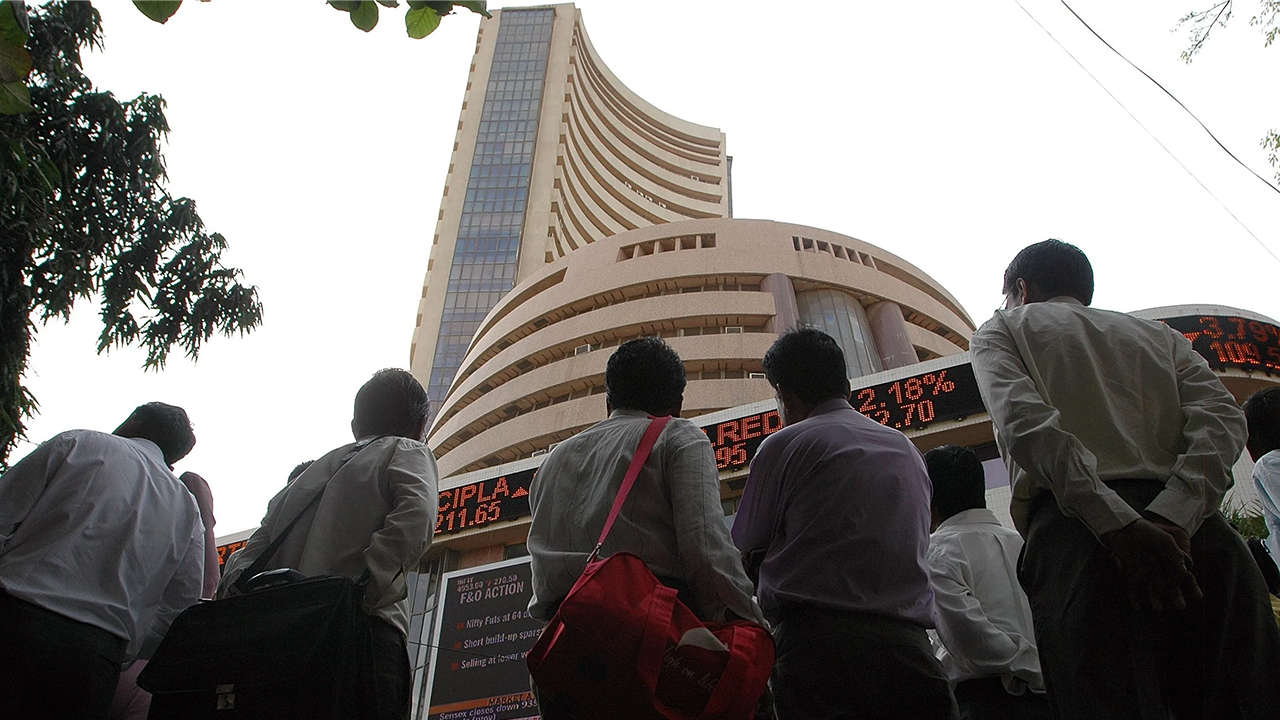
India’s stock market has experienced dramatic swings in recent months, moving from record-breaking highs to phases of sharp correction and uncertainty, leaving millions of investors anxious about the future direction of the economy and equities.
Benchmark indices like the BSE Sensex and NIFTY 50 previously surged to historic highs on the back of strong domestic growth, rising retail participation, stable corporate earnings and optimism surrounding India’s long-term economic outlook.
However, the market rally has increasingly faced pressure from multiple domestic and global challenges.
Major Reasons Behind the Market Decline
Rising geopolitical tensions, especially conflicts in West Asia and global trade uncertainty
Foreign Institutional Investors (FIIs) pulling money from emerging markets
Concerns over inflation and high interest rates globally
Overvaluation in several sectors after rapid rallies
Profit booking by large investors
Weak global cues from US, European and Chinese markets
Slowing demand in some sectors including IT, exports and manufacturing
Analysts say Indian markets are now reacting more sharply to international developments because of deeper global integration and increasing participation from institutional investors.
Impact on Investors
The volatility has particularly affected retail investors who entered the market during the recent bull run expecting quick gains. Many first-time investors have seen significant erosion in portfolio values during correction phases.
Key impacts include:
Panic selling among small investors
Reduced confidence in mid-cap and small-cap stocks
Increased preference for safer assets like gold and fixed deposits
Higher uncertainty in SIP and mutual fund investments
Emotional stress and fear-driven trading decisions
Financial experts warn that inexperienced investors often suffer the most during volatile cycles because of short-term decision-making and excessive speculation.
Long-Term Outlook
Despite short-term fluctuations, many economists remain optimistic about India’s long-term growth story, citing:
Strong domestic consumption
Infrastructure expansion
Manufacturing growth under “Make in India”
Rapid digital economy expansion
Increasing global investor interest in India
Experts advise investors to focus on diversification, long-term investing and disciplined SIP strategies instead of reacting emotionally to temporary market swings.
The recent volatility is increasingly being viewed as a reminder that while stock markets can create wealth, they also carry significant risks, especially during periods of global economic uncertainty.