Europe’s industrial sector is coming under growing pressure as companies confront the combined impact of the Iran war, rising energy costs, renewed tariff threats, and unfavorable currency movements.
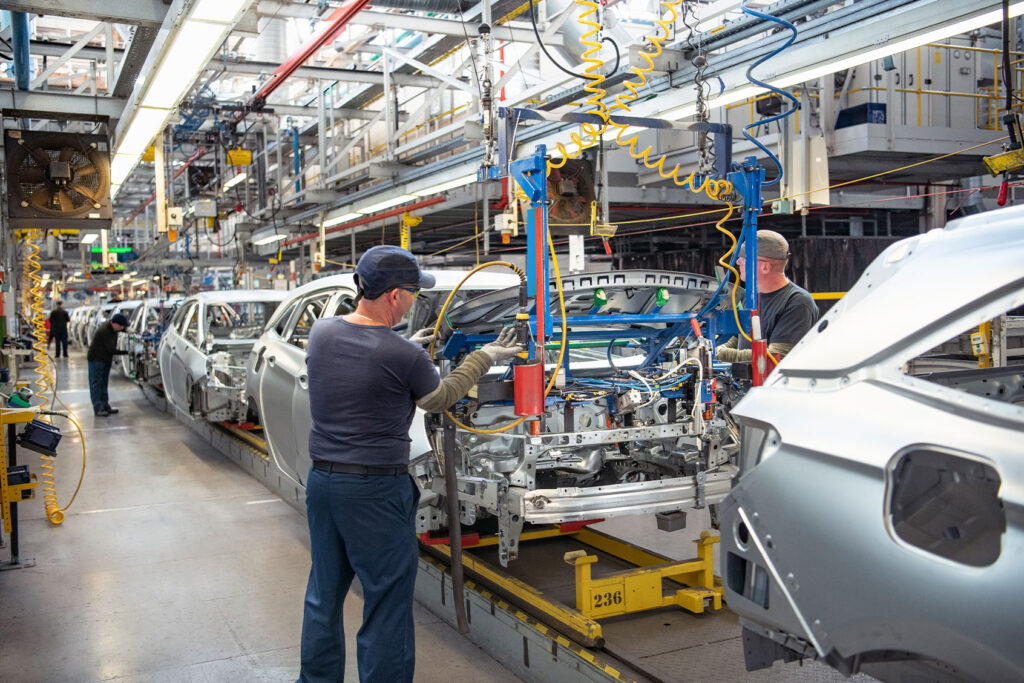
Manufacturers across Europe — particularly in chemicals, steel, automotive, aviation, and heavy industry — are facing higher production expenses due to surging oil and gas prices linked to tensions around the Strait of Hormuz. Analysts warn that prolonged disruption could deepen inflation and weaken already fragile industrial recovery across the eurozone.
At the same time, fresh tariff threats from U.S. President Donald Trump are increasing uncertainty for European exporters. Markets reacted negatively after Washington signaled the possibility of higher tariffs on European goods and vehicles if trade negotiations fail to progress.
Currency headwinds are adding further strain. A stronger euro against key trading currencies is making European exports less competitive globally, squeezing profit margins for industrial firms already battling elevated raw material and logistics costs.
Major corporations including BASF and several European airlines have warned investors about worsening cost pressures, with some firms raising prices, delaying investments, or slowing hiring plans.
Despite these challenges, some sectors are finding limited advantages. European chemical producers have temporarily benefited as Asian competitors face even greater disruption from shipping and energy shocks, leading customers to favor regional suppliers.
Economists say the broader concern is that Europe may be entering a period of “industrial stagflation” — weak growth combined with persistent inflation — as geopolitical tensions continue to disrupt trade, energy markets, and global supply chains.